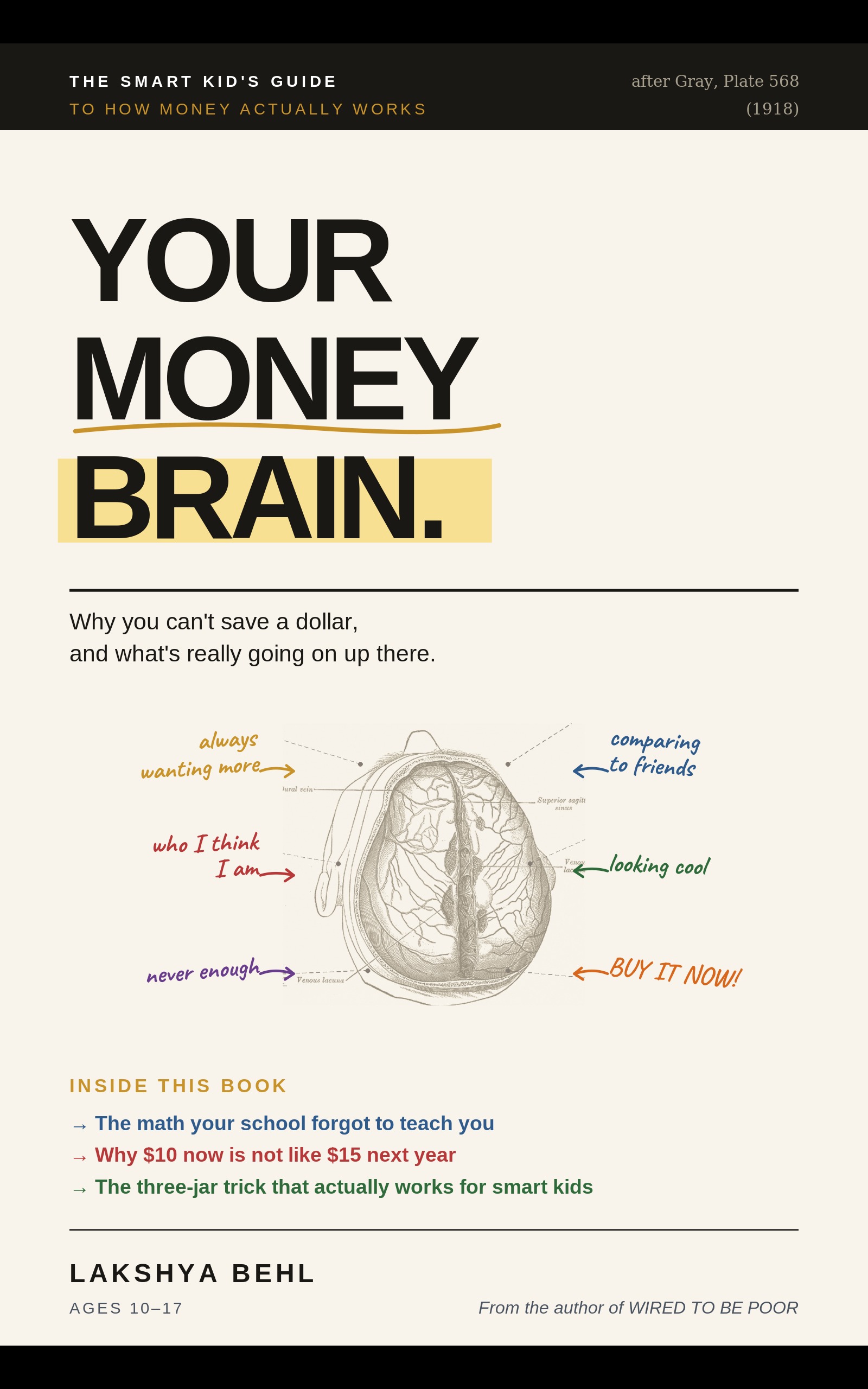
What if money made sense before it cost you?
Same money science the grown-ups read. Taught like the kid is in on it. Twelve chapters. Sixty hand-drawn diagrams. Zero condescension.
It Was Built For You.
- You are 12 and want to know what adults will not tell you about money.
- You are 15 and getting your first paycheck soon.
- You are a parent tired of handing your kid a Dave Ramsey book they will not open.
- You teach grades 6 to 12 and need actual material.
Twelve chapters. Same brain science the adults get. Zero condescension.
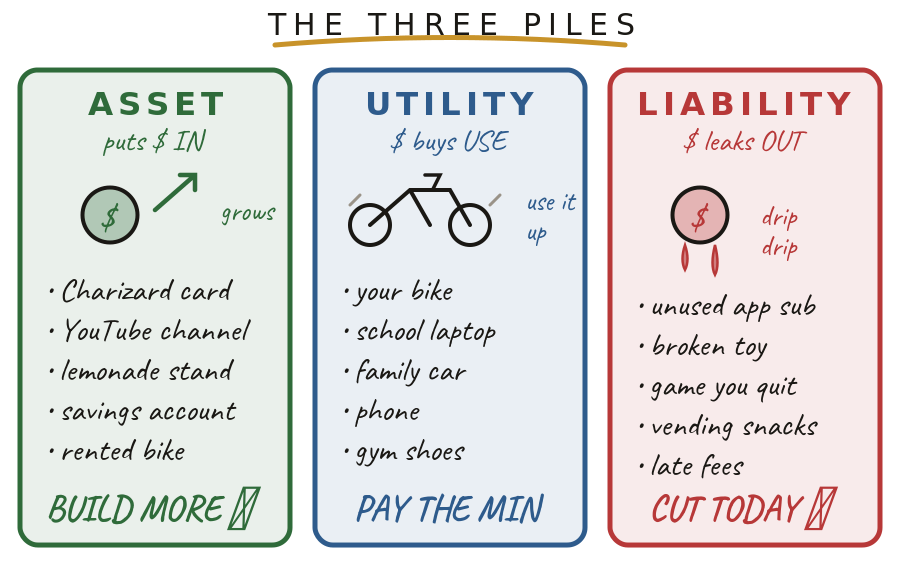
One-to-one with the adult book Wired To Be Poor. Identity. Marshmallows. Opportunity cost. Compound interest. The 80/20 rule. NPV. Asset versus liability. Nothing dumbed down — just rewritten for a reader who deserves to be respected.
Multi-pen highlights in amber blue red green pink. Cursive margin notes that talk back to the main text. WHO SAID SO research cards. Pages built like the smartest kid in class took notes.
A try-this prompt at the end of every chapter. White space left for the reader to argue back in pen. A glossary of every term, an index of every researcher. This is a workbook for the next decade of a reader’s financial life, not a once-and-shelved volume.
Pages that look like this.
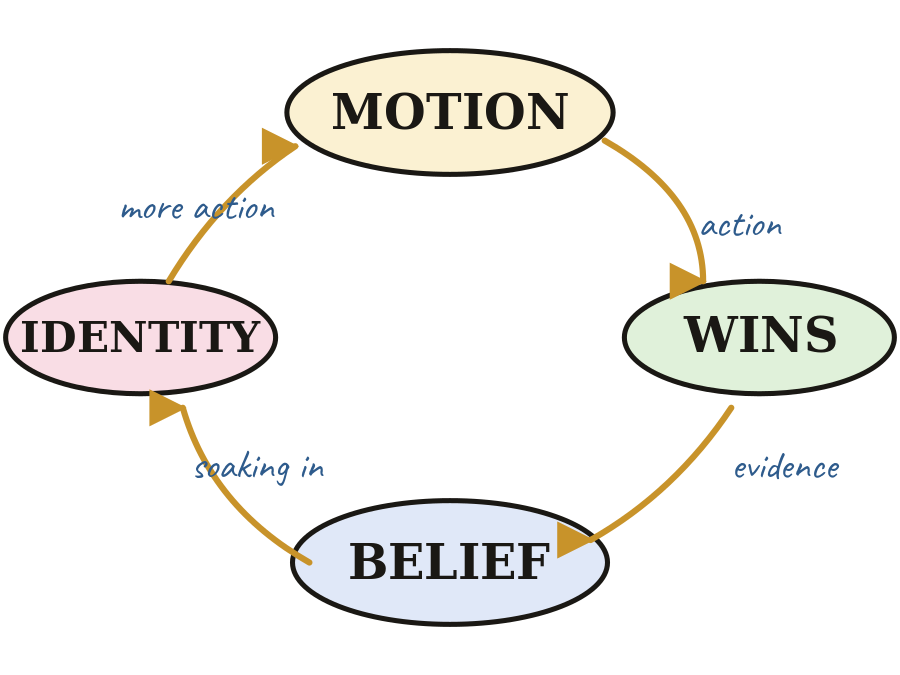
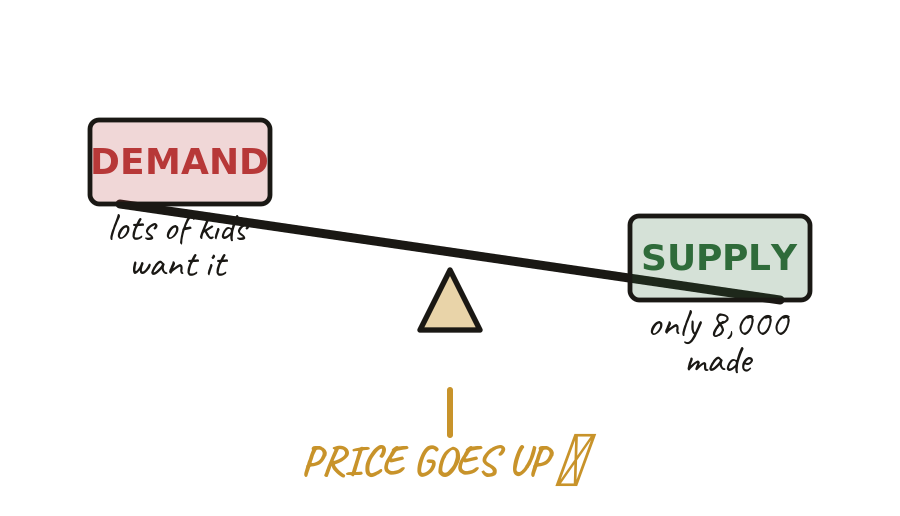
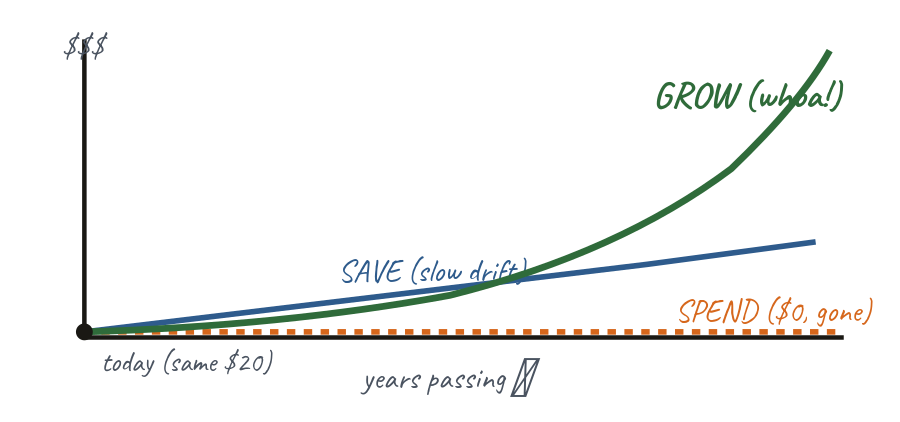
Four figures pulled straight from the book. Hand-drawn, multi-pen, designed for a reader who learns by seeing.
Real researchers. Cited in-line. For kids who can handle it.
The book treats young readers as smart enough to meet the actual sources. A sample of the names a reader will meet, and the one-line reason each one matters.
He let kids choose: one marshmallow now, or two in fifteen minutes. What they chose predicted everything.
People learn who they are by watching their own behaviour. Motion first. Identity follows. Saying it never works.
In 1896 he noticed 80 percent of Italy’s land belonged to 20 percent of the families. The same curve runs your grades, your time, and your money.
Eight studies, 2014. Kids get more happiness from big peaks. Adults get more from the everyday. Useful early — it changes how a teen weighs the next "once in a lifetime" trip a brand is selling them.
Eighty-five years of tracking real lives. The single biggest predictor of a long, healthy, wealthy life is not income. It is the quality of relationships. The book ends here for a reason.
“You do not rise to the level of your goals. You fall to the level of your systems.” A teen who builds systems beats a teen who sets goals. The book closes on that.
Other names a reader will meet in the book include Kahneman, Thaler, Templeton, Ravikant, Munger, Damodaran, Maddux and Galinsky.
You are not bad at money. You were never taught.
A 12-year-old sits in algebra learning x equals y and will graduate without ever being told the difference between an asset and a liability. They will sign a phone contract before they understand compound interest. They will be sold investments before they learn how a price differs from a value.
This is the book the system was supposed to give them. A reader who finishes it at twelve does not become a precocious finance kid — they become the kind of adult who never needs to fix their relationship with money later, because it was wired correctly the first time.
skipped
this part.
The world does not pay for hours. It pays for the gap your work closes for someone who needs it closed. Wealth comes from owning things that work without you — not from trading more hours for a slightly higher rate.
The book makes this concrete with the reader’s own future in mind. Not a Charizard card metaphor in a textbook. A Charizard card example a kid actually owns.
game, actually.
Why this book exists.
The financial system is the one thing nobody teaches kids. Schools do not. Most parents quietly cannot, because nobody taught them either. The result is a generation of adults who learn about compound interest after they sign the loan, and learn about opportunity cost after they spend the decade.
This is the book the system never gave you. A reader who finishes it at twelve does not become a precocious finance kid. They become the kind of adult who never needed to fix their relationship with money — because the relationship was wired correctly the first time.
Direct. Not preachy. Not condescending. Written with the same care a parent uses when explaining something important and only has one shot to get it right.
Three formats. Live on Amazon.
179 pages · 6×9 trim · full-colour interior · glossy cover. The everyday copy — bedroom shelf, backpack, school library.
Same interior. Glossy case-laminate binding. Built to survive the school library and the gift-giving uncle.
Reflowable Kindle edition. Full alt text on every diagram, accessible glossary. Read anywhere on the Kindle app or device.
The kid who reads this at twelve never has to “fix their relationship with money.” It was wired right the first time.
More Books
The grown-up book Your Money Brain was built from. 473 pages, 60 figures, 200+ sources. The psychology of financial self-sabotage, rebuilt.
Read about Wired to Be Poor23 strategy lessons for operators who sense the rules are changing around them.
Read about The Expiry DateStrategy and systems thinking taught through a full-colour illustrated comic.
Read about The Expiry Date: Kids Edition